Dental Emergency Every Saturday

Do you need urgent dental care on the weekend? We are here for you! Our practice on Eliška offers dental emergency services every Saturday to help you in cases of pain, swelling, or other urgent dental issues.

We treat both our registered patients and new clients who require fast assistance.

If you couldn't find a suitable appointment online, please don't hesitate to contact us. We will be happy to help you schedule a visit.

Dental Implants

Dental Implants

Dental Implants at Smile Centrum in Prague – Complete Solutions with Quality Guarantee

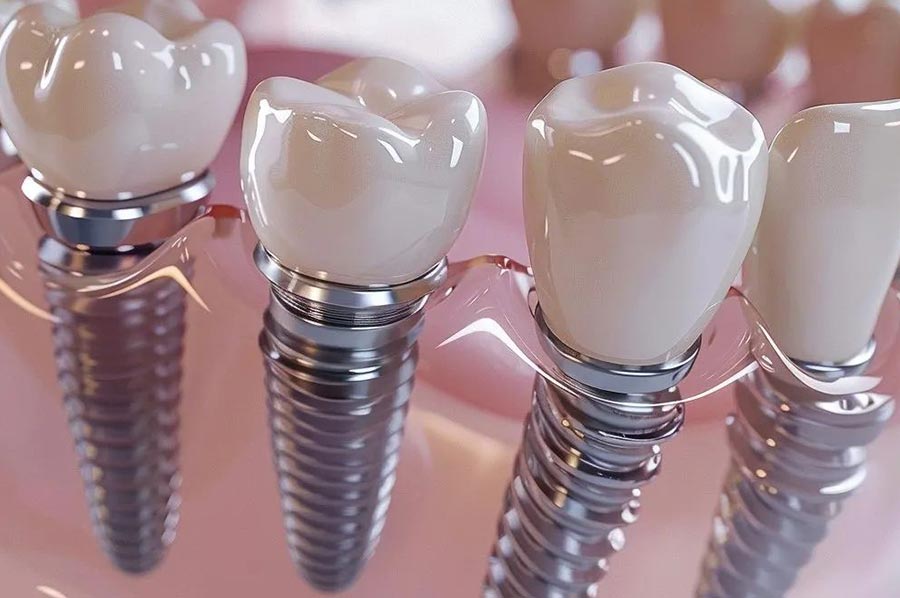
Dental implants represent a modern and long-term proven solution for replacing missing teeth. At our dental clinic Smile Centrum in Prague, we offer the implant procedure using the latest technologies and an individual approach to each patient.

Regain functional dentition, the ability to eat without restrictions, and a beautiful smile – without the need to interfere with surrounding teeth, as is the case with traditional bridges.

Dental Implants

Dental Implants at Smile Centrum in Prague – Complete Solutions with Quality Guarantee

Dental implants represent a modern and long-term proven solution for replacing missing teeth. At our dental clinic Smile Centrum in Prague, we offer the implant procedure using the latest technologies and an individual approach to each patient.

Regain functional dentition, the ability to eat without restrictions, and a beautiful smile – without the need to interfere with surrounding teeth, as is the case with traditional bridges.

Dental Implants
1000+
Implants placed per year
12+
Years of experience
90K+
Happy patients
10+
Locations not only in Prague
100+
Experienced experts
15+
Years with us
1000+
Implants placed per year
12+
Years of experience

How Does Dental Implant Treatment Proceed in Our Practice?

Dental implants represent a modern and permanent solution for tooth loss. The entire process, from the initial consultation to the placement of the final crown or bridge, is carefully planned and divided into several phases to ensure the best and safest possible outcome. Here’s a detailed overview of what you can expect:

Phase 1: Initial Consultation and Detailed Planning

Initial Examination and Medical History

At the beginning of every implant planning process, we perform a comprehensive examination of your oral cavity. We will review your complete medical history (past illnesses, medications taken, allergies) to exclude potential risks.

Radiographic Diagnostics (Panoramic X-ray, Cone Beam CT)

For a detailed assessment of the jawbone condition, nerve location, and sinuses, it is essential to obtain a 3D CBCT scan. This provides us with an accurate three-dimensional image that allows us to virtually plan the optimal position and size of the implant.

Digital Impressions/Scanning

We will take digital impressions of your teeth, which will be used for precise planning of the future crown’s position and to create a surgical guide.

Individual Treatment Plan

Based on all the collected data, we will discuss treatment options with you, select the most suitable type of implant, and create a detailed treatment plan including a timeline and preliminary cost estimate.
Phase 2: Surgical Phase – Implant Placement

Preparation (if necessary)

If needed, bone augmentation (bone grafting) or sinus lift (sinus elevation) will be performed to ensure sufficient bone volume for the implant. These procedures are carried out either before the actual implant placement or simultaneously with it.

Local Anesthesia

The procedure is performed under local anesthesia, making it completely painless for you. We also offer the option of analgesia sedation for greater comfort.

Surgical Implant Placement

The surgeon creates a small bed in the bone into which the implant is gently placed. During the procedure, we may also use a surgical guide created based on 3D planning, which ensures maximum precision of implant placement. The gums are then stitched closed.

Healing Period (Osseointegration)

Following the placement of the implant, there is a healing phase called osseointegration, during which the implant fuses with the bone. This phase typically lasts 2-6 months depending on individual factors and the type of implant. During this time, the implant is protected under the gums.
Phase 3: Prosthetic Phase – Crown Placement

Implant Exposure and Healing Abutment Placement

After successful osseointegration, the implant is exposed with a minor surgical procedure and a healing abutment (gingiva former) is placed on it to shape the gums for the future crown.

Taking Impressions/Scanning

After the gums have healed, precise impressions (digital scanning) are taken for the laboratory to create an individual abutment (the connecting part between the implant and the crown) and the final crown based on them.

Crown/Bridge Placement

The finished ceramic crown (or bridge) is securely screwed or cemented onto the implant. We ensure perfect aesthetics and functionality so that the new replacement looks and feels like your own tooth.
Phase 4: Regular Check-ups and Maintenance

Regular Check-ups

After completing the treatment, it is crucial to adhere to regular check-ups with us and our dental hygienist.

Dental Hygiene

We will teach you the correct technique for cleaning implants and recommend special tools for their long-term maintenance.

Long-Term Care

Proper and regular care is essential for the long life of your dental implants.Our entire team is at your disposal to provide you with maximum comfort and care throughout the entire process.

How Does Dental Implant Treatment Proceed in Our Practice?

Dental implants represent a modern and permanent solution for tooth loss. The entire process, from the initial consultation to the placement of the final crown or bridge, is carefully planned and divided into several phases to ensure the best and safest possible outcome. Here’s a detailed overview of what you can expect:

Phase 1: Initial Consultation and Detailed Planning

Initial Examination and Medical History

At the beginning of every implant planning process, we perform a comprehensive examination of your oral cavity. We will review your complete medical history (past illnesses, medications taken, allergies) to exclude potential risks.

Radiographic Diagnostics (Panoramic X-ray, Cone Beam CT)

For a detailed assessment of the jawbone condition, nerve location, and sinuses, it is essential to obtain a 3D CBCT scan. This provides us with an accurate three-dimensional image that allows us to virtually plan the optimal position and size of the implant.

Digital Impressions/Scanning

We will take digital impressions of your teeth, which will be used for precise planning of the future crown’s position and to create a surgical guide.

Individual Treatment Plan

Based on all the collected data, we will discuss treatment options with you, select the most suitable type of implant, and create a detailed treatment plan including a timeline and preliminary cost estimate.
Phase 2: Surgical Phase – Implant Placement

Preparation (if necessary)

If needed, bone augmentation (bone grafting) or sinus lift (sinus elevation) will be performed to ensure sufficient bone volume for the implant. These procedures are carried out either before the actual implant placement or simultaneously with it.

Local Anesthesia

The procedure is performed under local anesthesia, making it completely painless for you. We also offer the option of analgesia sedation for greater comfort.

Surgical Implant Placement

The surgeon creates a small bed in the bone into which the implant is gently placed. During the procedure, we may also use a surgical guide created based on 3D planning, which ensures maximum precision of implant placement. The gums are then stitched closed.

Healing Period (Osseointegration)

Following the placement of the implant, there is a healing phase called osseointegration, during which the implant fuses with the bone. This phase typically lasts 2-6 months depending on individual factors and the type of implant. During this time, the implant is protected under the gums.
Phase 3: Prosthetic Phase – Crown Placement

Implant Exposure and Healing Abutment Placement

After successful osseointegration, the implant is exposed with a minor surgical procedure and a healing abutment (gingiva former) is placed on it to shape the gums for the future crown.

Taking Impressions/Scanning

After the gums have healed, precise impressions (digital scanning) are taken for the laboratory to create an individual abutment (the connecting part between the implant and the crown) and the final crown based on them.

Crown/Bridge Placement

The finished ceramic crown (or bridge) is securely screwed or cemented onto the implant. We ensure perfect aesthetics and functionality so that the new replacement looks and feels like your own tooth.
Phase 4: Regular Check-ups and Maintenance

Regular Check-ups

After completing the treatment, it is crucial to adhere to regular check-ups with us and our dental hygienist.

Dental Hygiene

We will teach you the correct technique for cleaning implants and recommend special tools for their long-term maintenance.

Long-Term Care

Proper and regular care is essential for the long life of your dental implants.Our entire team is at your disposal to provide you with maximum comfort and care throughout the entire process.

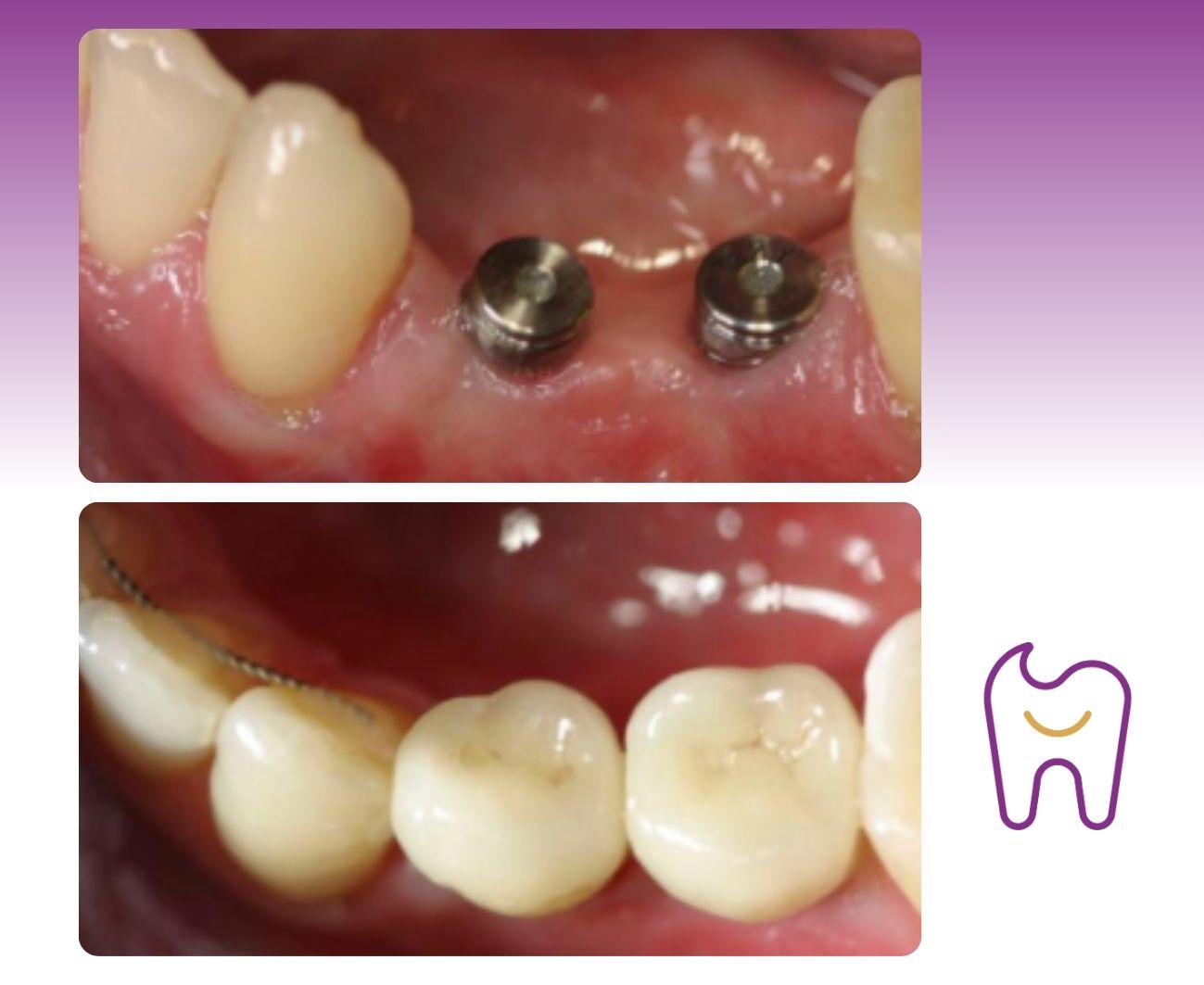
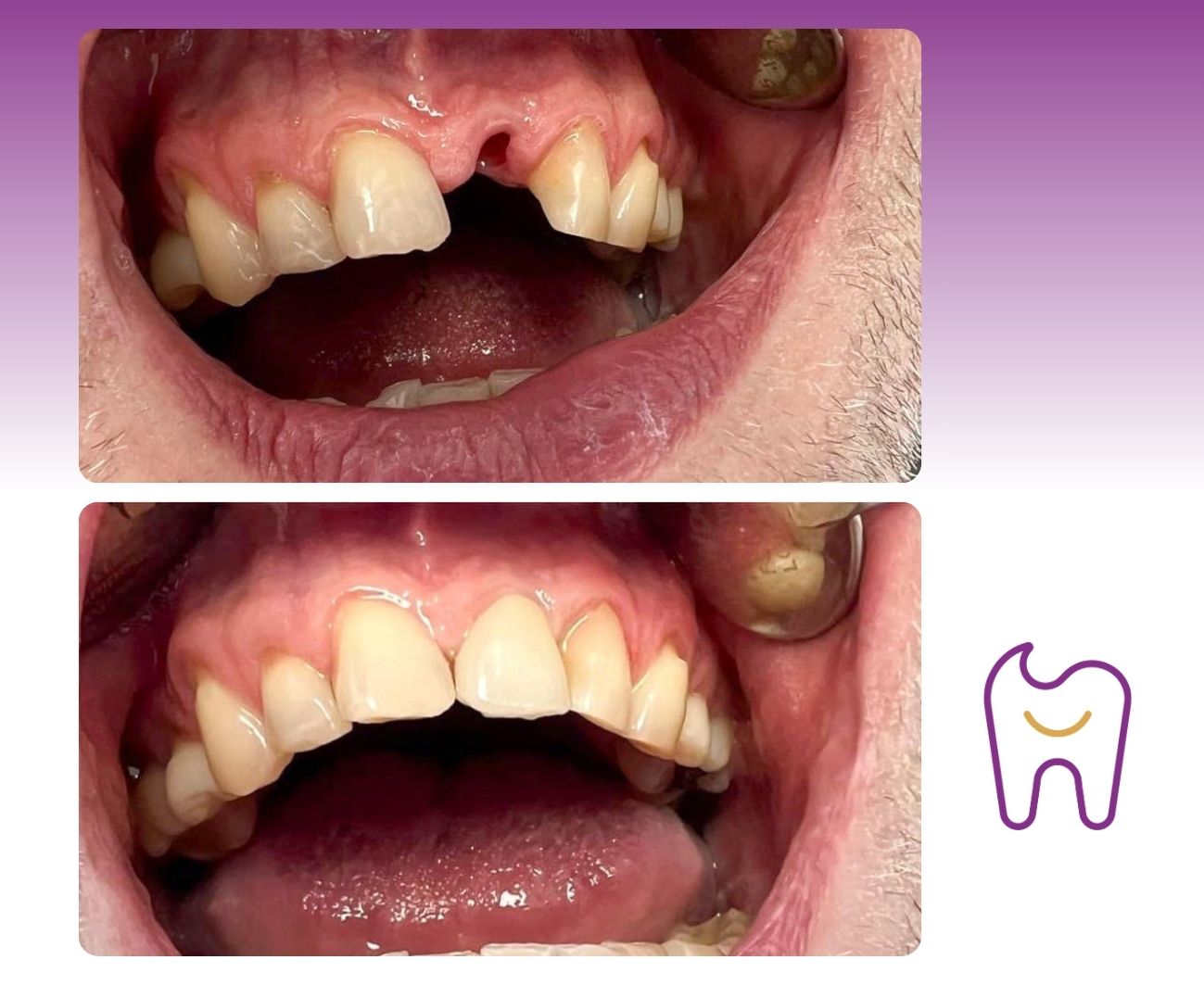
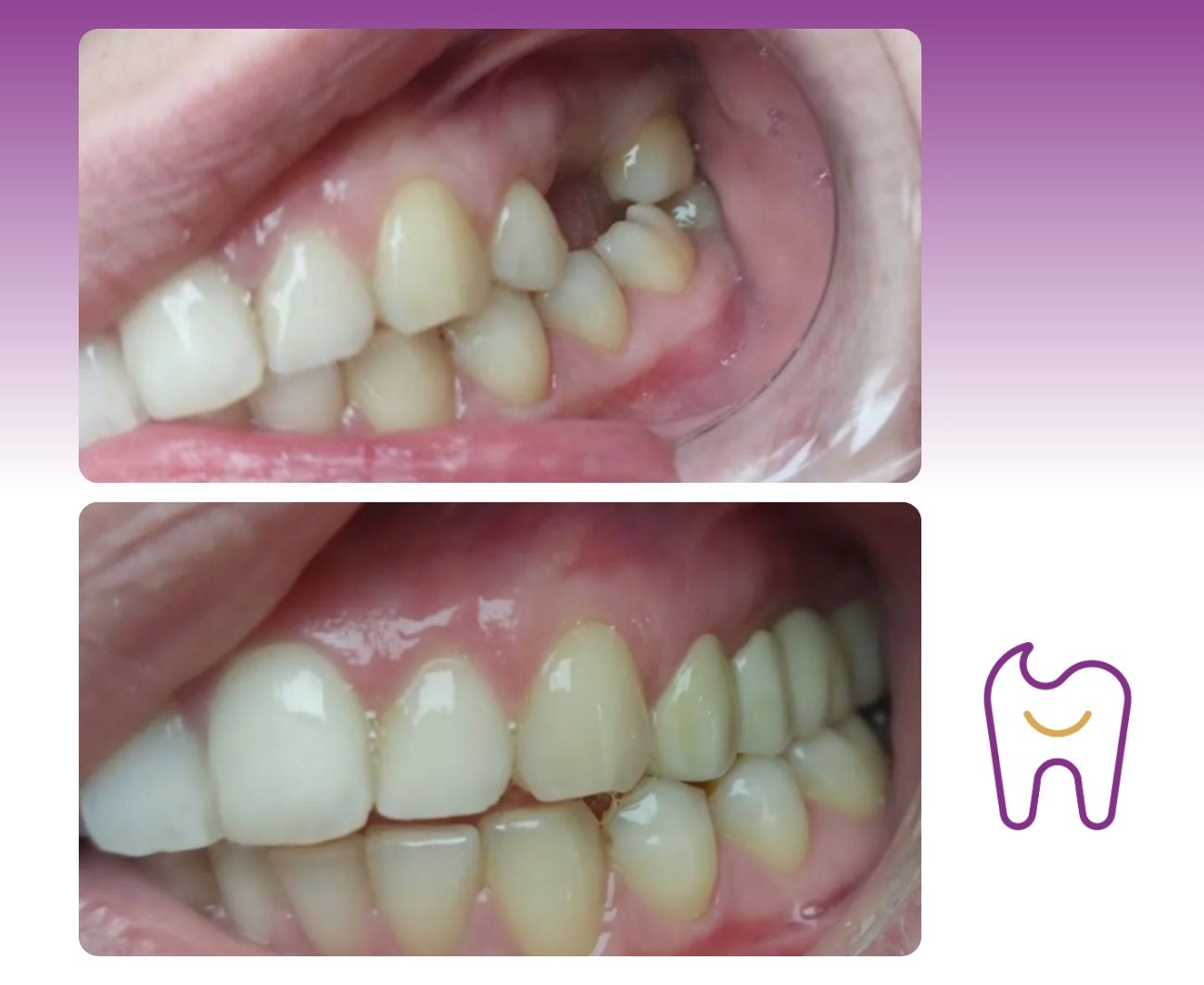
Our Work – Before & After

Dental Implant
Dental Implant Treatment
Dental Implants in Prague
    Dental Implant
    Dental Implant Treatment
    Dental Implants in Prague

      Dental Implant – A Modern Solution for Missing Teeth

      Treatment Consultation and Pricing Options Based on Selected Services

      This comprehensive examination can take 30-60 minutes and in most cases includes X-ray images that help us identify hidden problems such as cavities, root inflammation or periodontal issues.

      Treatment Process – Implant Placement Phases

      Our Work – Before & After

      Dental Implant
      Dental Implant Treatment
      Dental Implants in Prague
        Dental Implant
        Dental Implant Treatment
        Dental Implants in Prague

          Dental Implant – A Modern Solution for Missing Teeth

          Treatment Consultation and Pricing Options Based on Selected Services

          This comprehensive examination can take 30-60 minutes and in most cases includes X-ray images that help us identify hidden problems such as cavities, root inflammation or periodontal issues.

          Treatment Process – Implant Placement Phases

          Guarantee

          Guarantee

          A guarantee of quality and pain-free treatment

          Top-tier equipment

          Top-tier equipment

          Advanced equipment for superior care
          Comprehensive Care

          Comprehensive Care

          Comprehensive care for our patients

          Opening Hours

          Opening Hours

          Extended opening hours including Saturdays

          Contracts

          Contracts

          Contracts with health insurance providers

          Dental laboratory

          Dental laboratory

          Our own modern dental laboratory

          Location

          Location

          Excellent transport accessibility

          Reception Services

          Reception Services

          A pleasant and calm environment
          Languages

          Languages

          We speak more than five languages
          Availability

          Availability

          We have short waiting times for appointments

          Our team

          Senior dentist
          Accepting patients
          CSUKENRU
          Senior dentist
          Accepting patients
          CSUKENRU
          Senior dentist
          Accepting patients
          CSUKENRU

          Benefits of Dental Implants

          Natural look and feel like your own teeth.
          No interference with adjacent teeth.
          Ability to replace a single tooth, several teeth or the entire dentition.
          Long lifespan (even a lifelong solution).
          Easy cleaning and maintenance of oral hygiene.
          High biocompatibility (especially with titanium or zirconium implants).
          Modern technology for implant placement using a surgical guide.

          Book your consultation today

          We will help you return to health, functional teeth, confidence with every bite and a self-assured smile. Fill out the contact form or call us.

          Benefits of Dental Implants

          Natural look and feel like your own teeth.
          No interference with adjacent teeth.
          Ability to replace a single tooth, several teeth or the entire dentition.
          Long lifespan (even a lifelong solution).
          Easy cleaning and maintenance of oral hygiene.
          High biocompatibility (especially with titanium or zirconium implants).
          Modern technology for implant placement using a surgical guide.

          Book your consultation today

          We will help you return to health, functional teeth, confidence with every bite and a self-assured smile. Fill out the contact form or call us.


          Book your consultation today

          We will help you return to health, functional teeth, confidence with every bite and a self-assured smile.

          Prices for Initial Examination

          Administrative Fees

          Valid from:
          ProcedureDetailsPrice
          Administrative Fee / Medical Record Extract550 Kč
          Missed or Uncanceled Appointment (per 30 minutes)950 Kč
          Initial Examination including Panoramic X-rayCovered by Health Insurance
          Preventive Check-up 2x per yearCovered by Health Insurance
          Initial Examination for uninsured patients / no health insurance claim1950 Kč
          Emergency Fee for uninsured patients / no health insurance claim950 Kč

          X-ray – Examination

          Valid from:
          ProcedureDetailsPrice
          Evaluation of OPG and X-rayCovered by Health Insurance
          Intraoral X-ray (for self-payers) – Taking + Evaluation250 Kč
          OPG image (for self-payers) – Taking + Evaluation890 Kč
          CBCT scan quadrant1190 Kč
          CBCT scan 1 jaw1490 Kč
          CBCT scan1790 Kč

          Anaesthesia

          Valid from:
          ProcedureDetailsPrice
          KCAN – Consultation – general anaesthesia850 Kč
          CAN1 / CAN2 / CAN3 – General anaesthesia for children (minor procedures): up to 1 hour / up to 2 hours / each additional started hour (includes treatment of all primary teeth)15000 / 29500 / 5000 Kč
          CAND / CAN3 – General anaesthesia for adults (does not include the cost of dental treatment): up to 1 hour / each additional started hour10000 / 5000 Kč
          (*) price including VAT 21%

          Indications and Contraindications for Dental Implant Treatment

          Dental implants represent a modern and permanent solution for replacing missing teeth, significantly improving the quality of life for patients. However, not everyone is an ideal candidate for this procedure. Here you will find an overview of situations where dental implant treatment is appropriate and when it is necessary to consider another procedure or postpone treatment temporarily.

          Indications (When are implants suitable?)

          1. Replacement of a single tooth

          If one tooth is missing and the patient wishes to preserve the surrounding healthy teeth without grinding them down for a bridge.

          2. Replacement of multiple teeth

          Instead of a traditional bridge (which requires grinding down adjacent teeth) or removable partial dentures.

          3. Replacement of all teeth in the jaw

          For stabilization of complete dentures or for creating a fixed bridge on implants (e.g., All-on-4/6).

          4. Prevention of jawbone loss

          After tooth loss, gradual resorption (loss) of bone occurs. An implant stimulates the bone and prevents its loss.

          Inability to wear removable dentures

          Patients who cannot tolerate removable dentures or prefer a fixed solution.

          6. Improvement of chewing function and aesthetics

          Restoration of full chewing ability, natural appearance, and self-confidence.

          7. Good overall health

          The patient is in good general health without serious contraindications.

          8. Good oral hygiene

          The patient is able and willing to maintain a high level of oral hygiene.

          9. Unrealistic patient expectations

          If the patient expects results that are not medically or technically achievable.

          Contraindications (When caution is needed?)

          1. Insufficient bone quality or volume

          If there is not enough bone for stable implant placement and augmentation procedures (bone grafting) are not possible or appropriate.

          2. Untreated periodontitis

          Active and untreated inflammation of the gums or periodontium in the mouth, which could jeopardize osseointegration and long-term implant stability.

          3. Uncontrolled severe systemic diseases

          Very unstable diabetes, severe uncontrolled heart conditions, recent myocardial infarction, uncontrolled bleeding disorder, severe osteoporosis.

          4. Taking certain medications

          For example, bisphosphonates (especially intravenously, risk of osteonecrosis of the jaw), some immunosuppressants, or high doses of steroids. Consultation with the treating physician is always necessary.

          5. Active oncological treatment

          Radiation therapy or chemotherapy in the head and neck area – significantly affects healing and the success of implantation.

          6. Pregnancy

          Implantation should be postponed until after delivery.

          7. Severe smoking

          Smoking demonstrably increases the risk of implant failure and complications. It is not an absolute contraindication, but it is strongly recommended to reduce or ideally stop smoking before and after implantation.

          8. Young age

          Implants are not placed in children and adolescents whose jawbone has not yet completed its development.

          9. Untreated bruxism (teeth grinding)

          Excessive loading of the implant can lead to its failure. Treatment of bruxism (e.g., using a night guard) is necessary before and after implantation.

          10. Alcohol or drug abuse

          These factors can negatively affect healing and patient cooperation.

          Important note: This list is general and indicative. Each case is unique and requires careful individual assessment by a dentist or implant specialist. Many of the relative contraindications can be successfully managed or avoided with appropriate preparation. It is always crucial to inform your dentist of your complete medical history and current health status so that they can choose the safest and most effective treatment plan.

          Indications and Contraindications for Dental Implant Treatment

          Dental implants represent a modern and permanent solution for replacing missing teeth, significantly improving the quality of life for patients. However, not everyone is an ideal candidate for this procedure. Here you will find an overview of situations where dental implant treatment is appropriate and when it is necessary to consider another procedure or postpone treatment temporarily.

          Indications (When are implants suitable?)

          1. Replacement of a single tooth

          If one tooth is missing and the patient wishes to preserve the surrounding healthy teeth without grinding them down for a bridge.

          2. Replacement of multiple teeth

          Instead of a traditional bridge (which requires grinding down adjacent teeth) or removable partial dentures.

          3. Replacement of all teeth in the jaw

          For stabilization of complete dentures or for creating a fixed bridge on implants (e.g., All-on-4/6).

          4. Prevention of jawbone loss

          After tooth loss, gradual resorption (loss) of bone occurs. An implant stimulates the bone and prevents its loss.

          Inability to wear removable dentures

          Patients who cannot tolerate removable dentures or prefer a fixed solution.

          6. Improvement of chewing function and aesthetics

          Restoration of full chewing ability, natural appearance, and self-confidence.

          7. Good overall health

          The patient is in good general health without serious contraindications.

          8. Good oral hygiene

          The patient is able and willing to maintain a high level of oral hygiene.

          9. Unrealistic patient expectations

          If the patient expects results that are not medically or technically achievable.

          Contraindications (When caution is needed?)

          1. Insufficient bone quality or volume

          If there is not enough bone for stable implant placement and augmentation procedures (bone grafting) are not possible or appropriate.

          2. Untreated periodontitis

          Active and untreated inflammation of the gums or periodontium in the mouth, which could jeopardize osseointegration and long-term implant stability.

          3. Uncontrolled severe systemic diseases

          Very unstable diabetes, severe uncontrolled heart conditions, recent myocardial infarction, uncontrolled bleeding disorder, severe osteoporosis.

          4. Taking certain medications

          For example, bisphosphonates (especially intravenously, risk of osteonecrosis of the jaw), some immunosuppressants, or high doses of steroids. Consultation with the treating physician is always necessary.

          5. Active oncological treatment

          Radiation therapy or chemotherapy in the head and neck area – significantly affects healing and the success of implantation.

          6. Pregnancy

          Implantation should be postponed until after delivery.

          7. Severe smoking

          Smoking demonstrably increases the risk of implant failure and complications. It is not an absolute contraindication, but it is strongly recommended to reduce or ideally stop smoking before and after implantation.

          8. Young age

          Implants are not placed in children and adolescents whose jawbone has not yet completed its development.

          9. Untreated bruxism (teeth grinding)

          Excessive loading of the implant can lead to its failure. Treatment of bruxism (e.g., using a night guard) is necessary before and after implantation.

          10. Alcohol or drug abuse

          These factors can negatively affect healing and patient cooperation.

          Important note: This list is general and indicative. Each case is unique and requires careful individual assessment by a dentist or implant specialist. Many of the relative contraindications can be successfully managed or avoided with appropriate preparation. It is always crucial to inform your dentist of your complete medical history and current health status so that they can choose the safest and most effective treatment plan.

          Patient Experiences

          Patient feedback after tooth reconstruction with a dental implant

          Patient feedback after tooth reconstruction with a dental implant

          Play

          Patient feedback after tooth reconstruction with a dental implant

          Play

          Patient feedback after tooth reconstruction with a dental implant

          Patient Experiences

          Patient feedback after tooth reconstruction with a dental implant

          Patient feedback after tooth reconstruction with a dental implant

          Play

          Patient feedback after tooth reconstruction with a dental implant

          Play

          Patient feedback after tooth reconstruction with a dental implant

            Dental Implants FAQ

            On this page of the dental practice, we have prepared answers to the most frequently asked questions from our patients. If you cannot find what you are looking for here, please do not hesitate to contact us.

            Price list – how much does a dental implant cost?

            The price of a single dental implant starts at 17,900 Kč and depends on the brand, whether bone augmentation is necessary, and the type of crown.

            What are the benefits of using a surgical guide?

            Thanks to the surgical guide, we can place the implant:

            • with an accuracy of 0.1 mm

            • without damaging anatomical structures

            • with minimized postoperative complications

            • with the possibility of immediate prosthetics (crown prepared in advance)

            • less invasive procedure = faster healing, less swelling

            • excellent control of the procedure thanks to the transparent material of the guide

            How long does the procedure take?

            Placing a single implant takes approximately 30 minutes. The entire procedure is outpatient, so you do not need to arrange time off work or sick leave.

            Is it necessary to treat all teeth before implantation?

            Yes, before implantation it is necessary to:

            • ensure professional hygiene

            • remove gum inflammation, tartar and cavities

            • ensure a healthy environment for healing

            Who is a suitable candidate for dental implants?

            Most people can have an implant, but certain health conditions may be a contraindication:

            • diabetes, cardiovascular diseases

            • oncological diagnoses

            • weakened immune system

            • smoking (negatively affects healing)

            We will carefully assess your condition during the initial consultation.

            Which is better, a bridge or an implant?

            An implant does not require grinding down adjacent teeth and prevents bone loss, making it a more durable and gentle solution in the long term. A bridge is less expensive and quicker to make, but it does not last as long and damages adjacent healthy teeth.

            Are there different types of implants?

            Yes, we use multiple systems. The choice depends on:

            • the quality and quantity of bone

            • bite and type of dentition

            • aesthetic requirements

            The decision is always individual based on a CBCT scan.

            Is the implantation procedure painful?

            No. Thanks to local anesthesia, the procedure is painless. Most patients describe it as less unpleasant than a tooth extraction.

            How long do implants last?

            With proper care, they can last a lifetime. Key factors are good oral hygiene, regular check-ups and a healthy lifestyle.

            What are the options for restoration after implantation?
            • Crown on a single implant

            • Bridge – if several teeth are missing

            • Removable denture – fixed with implants

            • Provisional crown – immediately after placement in some cases

            Which insurance company covers dental implants?
            • Crown on a single implant

            • Bridge – if several teeth are missing

            • Removable denture – fixed with implants

            • Provisional crown – immediately after placement in some cases

            Hodnocení Smile Centrum

            Doporučuje nás 92% našich pacientů, kteří zanechávají recenze na nezávislých portálech a sociálních sítích. Klinika je nemůže
            ovlivnit, a proto jsou pro nás tak cenné.

            Google
            4,9

            ★★★★★

            Seznam
            4,9

            ★★★★★

            WhatClinic
            5,0

            ★★★★★

            Bookimed
            5,0

            ★★★★★

            Google
            4,9

            ★★★★★

            Seznam
            4,9

            ★★★★★

            WhatClinic
            5,0

            ★★★★★

            Bookimed
            5,0

            ★★★★★