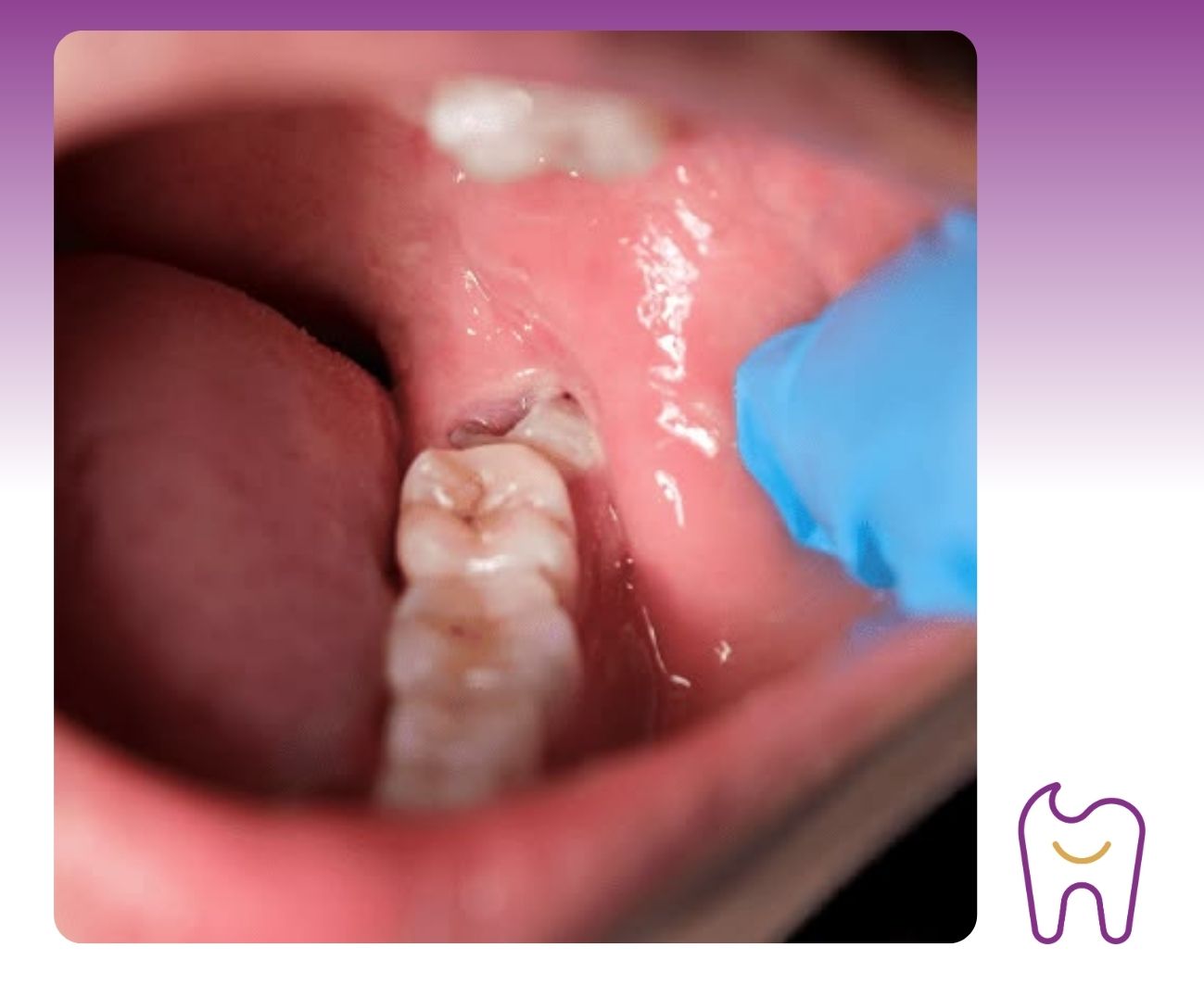

Wisdom Tooth Extraction
Wisdom Tooth Extraction – safe removal of wisdom teeth.
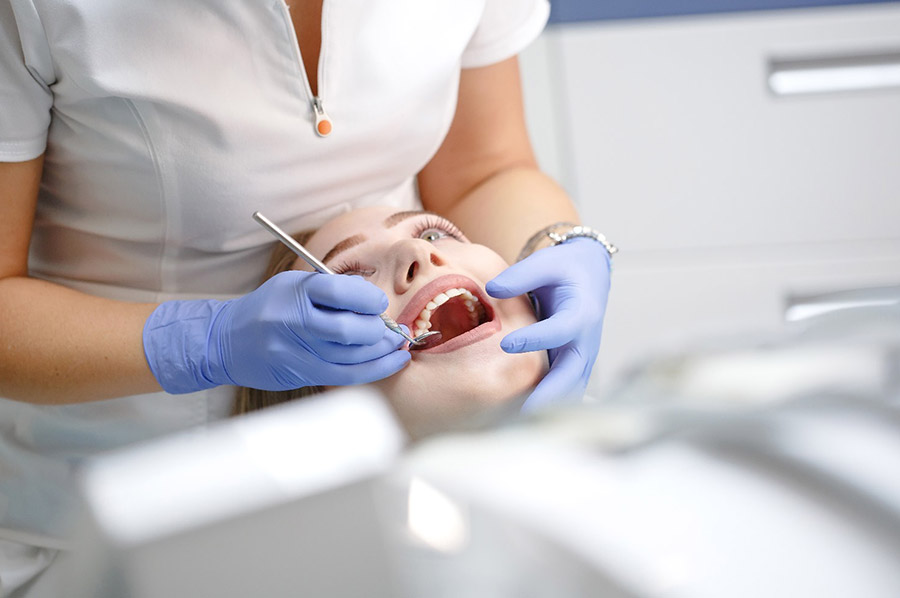
Wisdom tooth extraction is one of the most common procedures in oral surgery. Wisdom teeth (so-called eights) are located at the very end of the dentition – in the upper and lower jaw – and often cause problems due to lack of space in the mouth. Their removal may be necessary not only for health reasons, but also as a prevention of inflammation, tooth shifting or damage to the jaws.
Wisdom Tooth Extraction
Wisdom Tooth Extraction – safe removal of wisdom teeth.
Wisdom tooth extraction is one of the most common procedures in oral surgery. Wisdom teeth (so-called eights) are located at the very end of the dentition – in the upper and lower jaw – and often cause problems due to lack of space in the mouth. Their removal may be necessary not only for health reasons, but also as a prevention of inflammation, tooth shifting or damage to the jaws.
Wisdom Tooth Extraction
Wisdom Tooth Extraction – safe removal of wisdom teeth.
Wisdom tooth extraction is one of the most common procedures in oral surgery. Wisdom teeth (so-called eights) are located at the very end of the dentition – in the upper and lower jaw – and often cause problems due to lack of space in the mouth. Their removal may be necessary not only for health reasons, but also as a prevention of inflammation, tooth shifting or damage to the jaws.
How is the procedure performed?
The course of wisdom tooth extraction depends on their position, root shape and overall condition of the dentition.
The whole process usually takes 20-40 minutes, more complex procedures take a little longer.
How is the procedure performed?
The course of wisdom tooth extraction depends on their position, root shape and overall condition of the dentition.
The whole process usually takes 20-40 minutes, more complex procedures take a little longer.
Healing After Wisdom Tooth Extraction
Healing usually takes several days, but depends on the complexity of the procedure and your age.
We recommend:
We recommend:
If you experience severe pain or signs of inflammation, call us immediately.
Healing After Wisdom Tooth Extraction
Healing usually takes several days, but depends on the complexity of the procedure and your age.
We recommend:
We recommend:
If you experience severe pain or signs of inflammation, call us immediately.
Why Choose Our Team?
Guarantee
A guarantee of quality and pain-free treatment

Top-tier equipment
Advanced equipment for superior care

Comprehensive Care
Comprehensive care for our patients

Opening Hours
Extended opening hours including Saturdays

Contracts
Contracts with health insurance providers

Dental laboratory
Our own modern dental laboratory

Location
Excellent transport accessibility

Reception Services
A pleasant and calm environment

Languages
We speak more than five languages

Availability
We have short waiting times for appointments
Our team
Modern and Gentle Approach to Wisdom Tooth Extraction
Wisdom tooth extraction (eights) is often perceived with concern, but thanks to modern technologies and precise procedures, this procedure is now much gentler and safer. In our practice, we emphasize minimizing discomfort and rapid recovery.
3D CBCT Imaging
Before each wisdom tooth extraction, we take a detailed 3D image (CBCT). This allows us to accurately visualize the position of the tooth, its roots, relationship to the jawbone, proximity to nerve structures and paranasal sinuses. Thanks to this, we can precisely plan the procedure and minimize risks.
Gentle Surgical Techniques
We use modern surgical instruments and techniques that reduce trauma to surrounding tissues. The goal is a quick and efficient procedure with minimal swelling and post-operative pain.
Pain Management and Patient Comfort
The procedure is performed under effective local anesthesia, so it is completely painless. We also offer the possibility of analgesia for patients who suffer from increased anxiety, which ensures maximum comfort throughout the entire procedure.
Post-operative Care and Rapid Healing
We provide detailed instructions for home care after extraction and recommend suitable products to support healing. The goal is a return to normal activities as quickly as possible.
This approach allows us to perform wisdom tooth extractions with maximum precision, safety and consideration for your comfort.
Appointment Booking
Appointment Booking
To book an appointment for wisdom tooth extraction, please contact us – you can call the reception, send an email or use the form on our website.
Your first visit will include an examination, explanation of the process and determination of healing time.
Modern and Gentle Approach to Wisdom Tooth Extraction
Wisdom tooth extraction (eights) is often perceived with concern, but thanks to modern technologies and precise procedures, this procedure is now much gentler and safer. In our practice, we emphasize minimizing discomfort and rapid recovery.
3D CBCT Imaging
Before each wisdom tooth extraction, we take a detailed 3D image (CBCT). This allows us to accurately visualize the position of the tooth, its roots, relationship to the jawbone, proximity to nerve structures and paranasal sinuses. Thanks to this, we can precisely plan the procedure and minimize risks.
Gentle Surgical Techniques
We use modern surgical instruments and techniques that reduce trauma to surrounding tissues. The goal is a quick and efficient procedure with minimal swelling and post-operative pain.
Pain Management and Patient Comfort
The procedure is performed under effective local anesthesia, so it is completely painless. We also offer the possibility of analgesia for patients who suffer from increased anxiety, which ensures maximum comfort throughout the entire procedure.
Post-operative Care and Rapid Healing
We provide detailed instructions for home care after extraction and recommend suitable products to support healing. The goal is a return to normal activities as quickly as possible.
This approach allows us to perform wisdom tooth extractions with maximum precision, safety and consideration for your comfort.
Appointment Booking
Appointment Booking
To book an appointment for wisdom tooth extraction, please contact us – you can call the reception, send an email or use the form on our website.
Your first visit will include an examination, explanation of the process and determination of healing time.
Ceník chirurgických zákroků a implantátů
| Procedure | Details | Price |
|---|---|---|
| Gelaspon, Alveogil / Parasorb | 790 / 1490 Kč | |
| Nadstandardní extrakce | 2790 Kč | |
| Autologní augmentace PRF – odebrání první zkumavky / odebrání každé další zkumavky | 1890 / 1190 Kč | |
| Implantologická konzultace | 1150 Kč | |
| Zavedení značkového implantátu Neobiotech / Ankylos / Straumann | 17900 / 22900 / 25900 Kč | |
| Implantologická šablona malá / velká | 1900 / 4900 Kč | |
| Záloha před analgosedací | 5000 Kč | |
| Analgosedace 1 hodina / 2 hodiny | 9900 / 18900 Kč | |
| Tabletková sedace Midazolam / Diazepam | 1990 Kč | |
Anaesthesia
| Procedure | Details | Price |
|---|---|---|
| KCAN – Consultation – general anaesthesia | 850 Kč | |
| CAN1 / CAN2 / CAN3 – General anaesthesia for children (minor procedures): up to 1 hour / up to 2 hours / each additional started hour (includes treatment of all primary teeth) | 15000 / 29500 / 5000 Kč | |
| CAND / CAN3 – General anaesthesia for adults (does not include the cost of dental treatment): up to 1 hour / each additional started hour | 10000 / 5000 Kč | |
Indications and Contraindications for Wisdom Tooth Extraction
Extraction of wisdom teeth (eights) is a common surgical procedure that is often necessary to maintain oral health. The decision to extract is always individual and based on a careful assessment of the condition of the eights and their impact on surrounding tissues. Here you will find an overview of situations when extraction of eights is recommended, and when caution should be exercised or treatment postponed.
Indications (When is wisdom tooth extraction necessary/recommended?)
1. Pain or pressure in the back of the jaw
Often caused by pushing on surrounding teeth or inflammation.
2. Recurrent gum inflammation (pericoronitis)
Inflammation of the soft tissues around a partially erupted eight, associated with swelling, pain and limited mouth opening.
3. Lack of space in the dentition
Eights push on other teeth, leading to their crowding or shifting and risk of crooked teeth.
4. Partially erupted eight
The tooth is partially under the gum, creating ideal conditions for bacteria to accumulate and infections and cavities to develop.
5. Damage to adjacent tooth (seven)
By pressure, resorption (loss) of bone or caries that is difficult to treat due to the position of the eight.
6. Caries on the eight
Cavities that cannot be adequately treated due to poor accessibility or tooth position.
7. Root resorption (loss) of adjacent tooth
The eight exerts pressure on the root of the seven, leading to its damage.
8. Orthodontic reasons
The need to remove eights before or during orthodontic treatment to create space or prevent relapse.
9. Cysts or tumors
Pathological formations associated with an unerupted eight.
10. Untreatable pulp inflammation (pulpitis)
If the eight is already irreversibly inflamed and cannot be saved in any other way.
Contraindications (When is caution needed/postponement necessary?)
1. Acute systemic infectious disease
Febrile conditions (flu, sore throat), severe cold, cough or other acute infections that could endanger you and the staff.
2. Uncontrolled systemic diseases
Very unstable diabetes, uncontrolled high blood pressure, severe heart defects, recent myocardial infarction, uncontrolled bleeding disorder. Requires consultation with the attending physician and possible premedication.
3. Acute abscess
Severe acute purulent inflammation (abscess) at the extraction site. Sometimes it is necessary to first resolve the abscess (incision, antibiotics) and only then perform the extraction.
4. Radiotherapy or chemotherapy in the head and neck area
Depending on the stage and extent of treatment, it may be necessary to postpone treatment or perform it with extreme caution after consultation with the attending oncologist.
5. Pregnancy (relative contraindication)
It is recommended to postpone non-urgent procedures in the first trimester. It is possible to perform necessary extractions in the second and third trimesters, ideally with regard to minimal stress and limitation of X-rays. Consultation with a gynecologist is always advisable.
6. Allergy to anesthetics or other materials used
It is necessary to choose an alternative local anesthetic.
7. Very strong dental phobia/anxiety
In such cases, sedation or general anesthesia should be considered to make the procedure manageable and safe for the patient.
8. Young age with incomplete root development
Sometimes it is advisable to wait for the full root development of the tooth for easier extraction, if the clinical situation allows.
9. Acute oral ulcers, herpes or extensive inflammation at the extraction site
Important note: This list is indicative. Each case is unique and requires careful individual assessment by a dentist or oral surgeon based on clinical examination and X-ray images (often 3D CBCT). It is always crucial to inform your dentist of your complete medical history and current health condition, including medications taken and any allergies, so that he can choose the safest and most effective procedure. The risks associated with the procedure will be explained in detail.
Indications and Contraindications for Wisdom Tooth Extraction
Extraction of wisdom teeth (eights) is a common surgical procedure that is often necessary to maintain oral health. The decision to extract is always individual and based on a careful assessment of the condition of the eights and their impact on surrounding tissues. Here you will find an overview of situations when extraction of eights is recommended, and when caution should be exercised or treatment postponed.
Indications (When is wisdom tooth extraction necessary/recommended?)
1. Pain or pressure in the back of the jaw
Often caused by pushing on surrounding teeth or inflammation.
2. Recurrent gum inflammation (pericoronitis)
Inflammation of the soft tissues around a partially erupted eight, associated with swelling, pain and limited mouth opening.
3. Lack of space in the dentition
Eights push on other teeth, leading to their crowding or shifting and risk of crooked teeth.
4. Partially erupted eight
The tooth is partially under the gum, creating ideal conditions for bacteria to accumulate and infections and cavities to develop.
5. Damage to adjacent tooth (seven)
By pressure, resorption (loss) of bone or caries that is difficult to treat due to the position of the eight.
6. Caries on the eight
Cavities that cannot be adequately treated due to poor accessibility or tooth position.
7. Root resorption (loss) of adjacent tooth
The eight exerts pressure on the root of the seven, leading to its damage.
8. Orthodontic reasons
The need to remove eights before or during orthodontic treatment to create space or prevent relapse.
9. Cysts or tumors
Pathological formations associated with an unerupted eight.
10. Untreatable pulp inflammation (pulpitis)
If the eight is already irreversibly inflamed and cannot be saved in any other way.
Contraindications (When is caution needed/postponement necessary?)
1. Acute systemic infectious disease
Febrile conditions (flu, sore throat), severe cold, cough or other acute infections that could endanger you and the staff.
2. Uncontrolled systemic diseases
Very unstable diabetes, uncontrolled high blood pressure, severe heart defects, recent myocardial infarction, uncontrolled bleeding disorder. Requires consultation with the attending physician and possible premedication.
3. Acute abscess
Severe acute purulent inflammation (abscess) at the extraction site. Sometimes it is necessary to first resolve the abscess (incision, antibiotics) and only then perform the extraction.
4. Radiotherapy or chemotherapy in the head and neck area
Depending on the stage and extent of treatment, it may be necessary to postpone treatment or perform it with extreme caution after consultation with the attending oncologist.
5. Pregnancy (relative contraindication)
It is recommended to postpone non-urgent procedures in the first trimester. It is possible to perform necessary extractions in the second and third trimesters, ideally with regard to minimal stress and limitation of X-rays. Consultation with a gynecologist is always advisable.
6. Allergy to anesthetics or other materials used
It is necessary to choose an alternative local anesthetic.
7. Very strong dental phobia/anxiety
In such cases, sedation or general anesthesia should be considered to make the procedure manageable and safe for the patient.
8. Young age with incomplete root development
Sometimes it is advisable to wait for the full root development of the tooth for easier extraction, if the clinical situation allows.
9. Acute oral ulcers, herpes or extensive inflammation at the extraction site
Important note: This list is indicative. Each case is unique and requires careful individual assessment by a dentist or oral surgeon based on clinical examination and X-ray images (often 3D CBCT). It is always crucial to inform your dentist of your complete medical history and current health condition, including medications taken and any allergies, so that he can choose the safest and most effective procedure. The risks associated with the procedure will be explained in detail.
Wisdom Tooth Extraction FAQ
On this page of our dental practice, we have prepared answers to the most frequently asked questions from our patients. If you cannot find what you are looking for here, please do not hesitate to contact us.
No, local anesthesia is used during the procedure, so you will not feel any pain.
Usually a few days to a week, depending on the complexity of the procedure.
Extraction can be performed once the roots are developed, often between the ages of 17 and 25.
Yes, but we recommend soft foods and avoiding hot drinks for the first few days.
Wisdom Tooth Extraction FAQ
On this page of our dental practice, we have prepared answers to the most frequently asked questions from our patients. If you cannot find what you are looking for here, please do not hesitate to contact us.
No, local anesthesia is used during the procedure, so you will not feel any pain.
Usually a few days to a week, depending on the complexity of the procedure.
Extraction can be performed once the roots are developed, often between the ages of 17 and 25.
Yes, but we recommend soft foods and avoiding hot drinks for the first few days.
Hodnocení Smile Centrum
Doporučuje nás 92% našich pacientů, kteří zanechávají recenze na nezávislých portálech a sociálních sítích. Klinika je nemůže
ovlivnit, a proto jsou pro nás tak cenné.
★★★★★
★★★★★
★★★★★
★★★★★
★★★★★
★★★★★
★★★★★
★★★★★