
Fixed Braces
Fixed Braces – everything you need to know about orthodontic treatment.
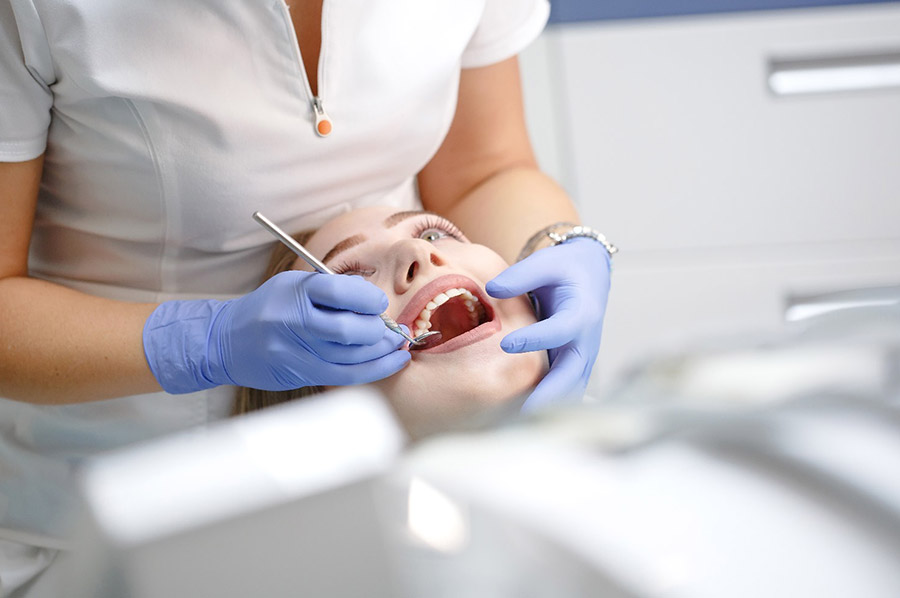
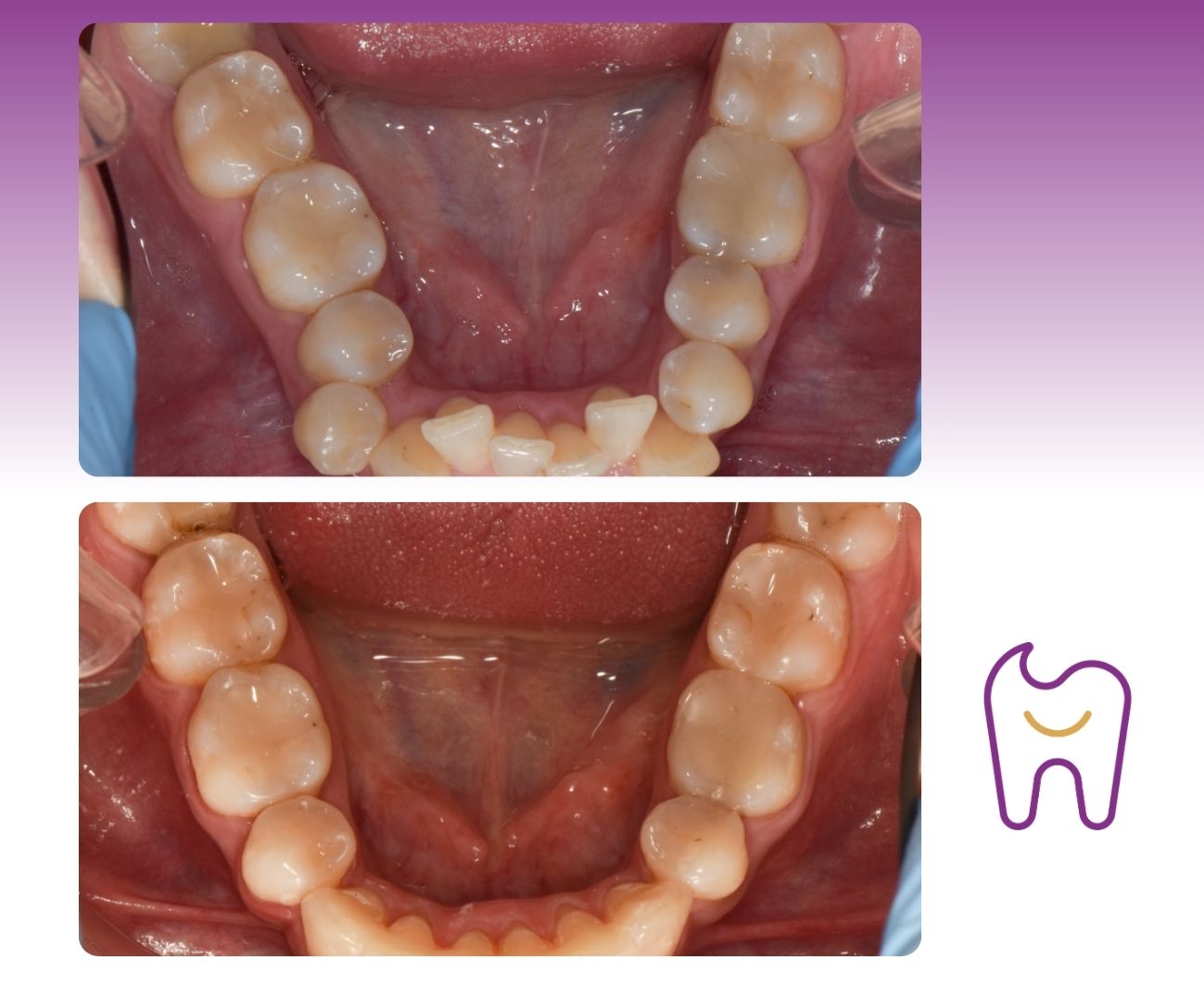
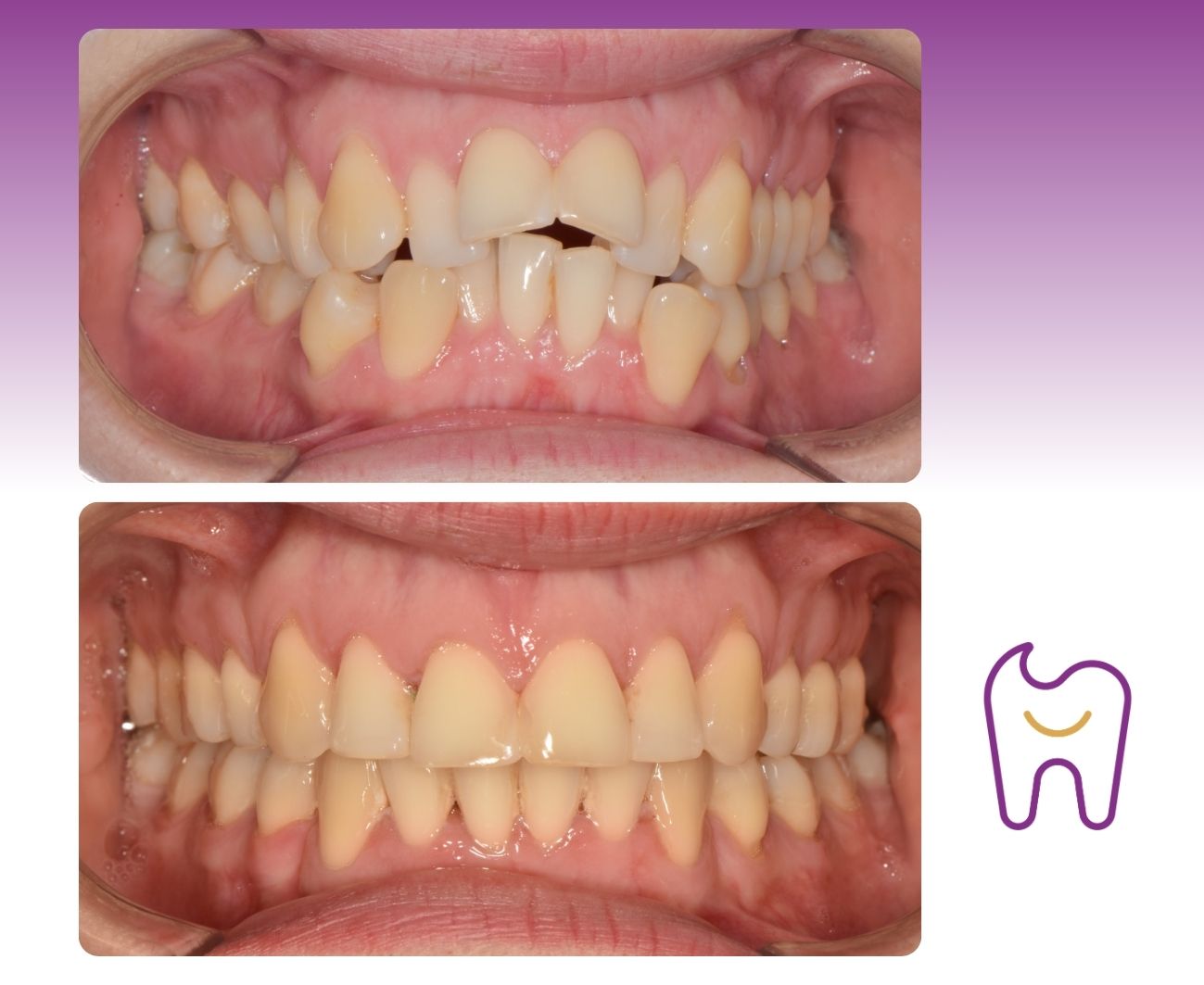
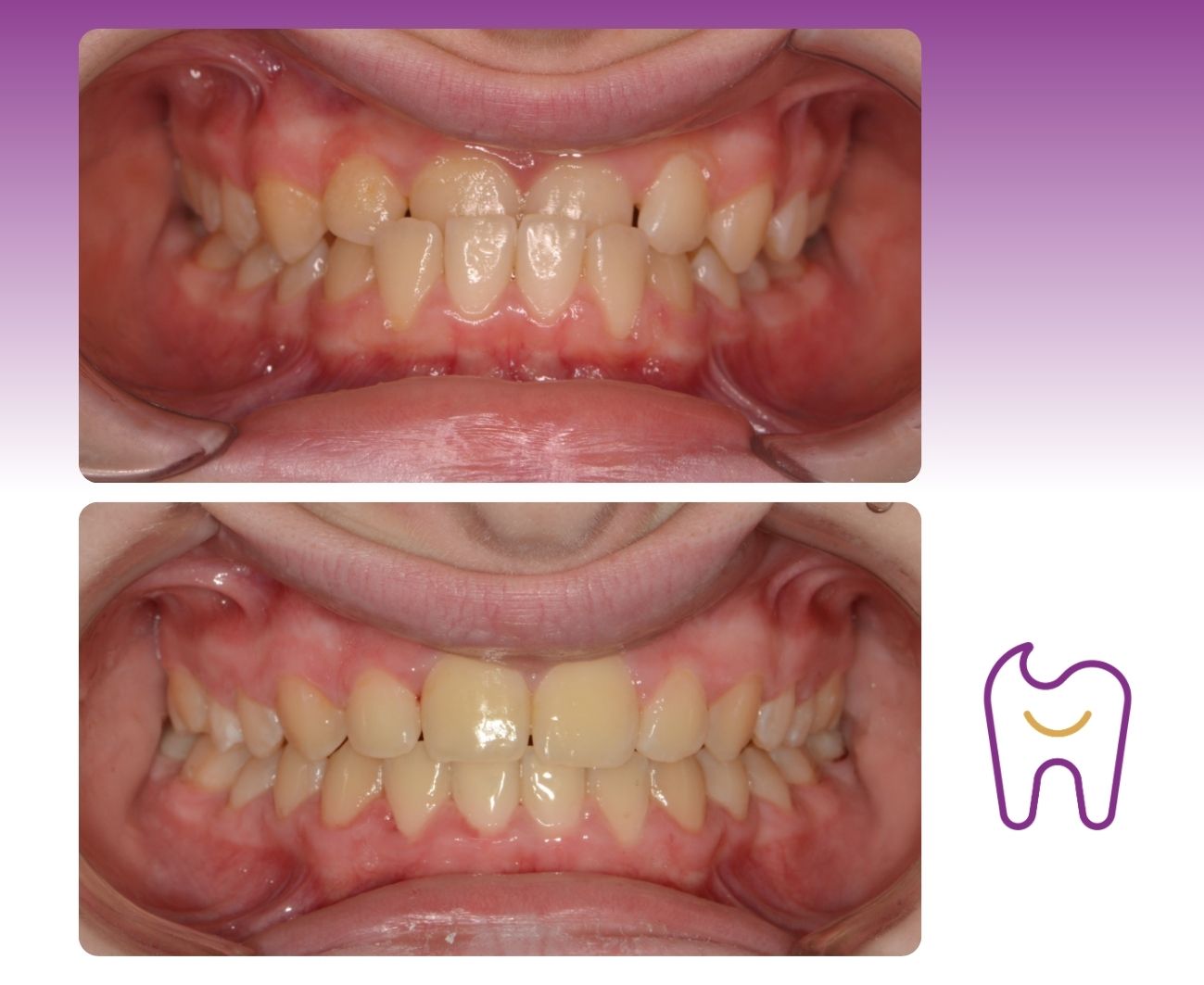
Fixed braces are one of the most effective methods for treating malocclusions of teeth and bite in children, adolescents and adults. Unlike removable appliances, they act firmly on the teeth 24 hours a day, which allows precise tooth movement and long-term results. If you suffer from crooked teeth, incorrect bite or other problems in the jaw area, orthodontics, fixed braces are the right choice for you.
Fixed Braces
Fixed Braces
Fixed Braces – everything you need to know about orthodontic treatment.
Fixed braces are one of the most effective methods for treating malocclusions of teeth and bite in children, adolescents and adults. Unlike removable appliances, they act firmly on the teeth 24 hours a day, which allows precise tooth movement and long-term results. If you suffer from crooked teeth, incorrect bite or other problems in the jaw area, orthodontics, fixed braces are the right choice for you.
Fixed Braces
Fixed Braces
Fixed Braces – everything you need to know about orthodontic treatment.
Fixed braces are one of the most effective methods for treating malocclusions of teeth and bite in children, adolescents and adults. Unlike removable appliances, they act firmly on the teeth 24 hours a day, which allows precise tooth movement and long-term results. If you suffer from crooked teeth, incorrect bite or other problems in the jaw area, orthodontics, fixed braces are the right choice for you.
How does treatment with fixed braces proceed?
What are fixed braces?
Fixed braces consist of brackets that are glued directly to the teeth and an orthodontic wire that runs through them, applying pressure on the teeth with rubber bands or other elements. This causes the teeth to gradually move into the ideal position.
We use several types of braces:
Each type has its advantages and the choice depends on the specific patient, their age, wishes and the cost of treatment.
Common Myths About Fixed Braces
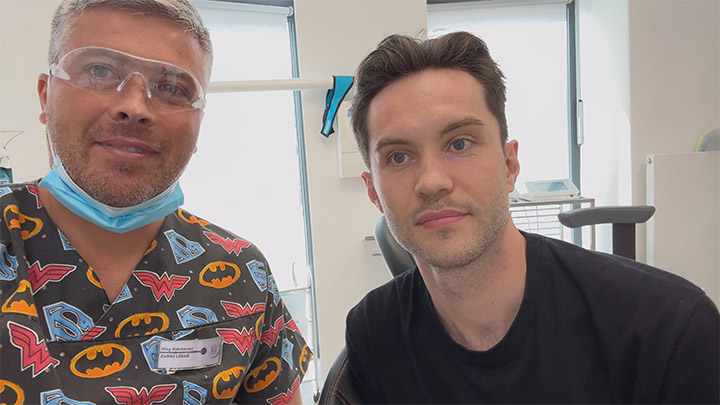
- “Fixed braces are only for children.” – That’s not true, we also treat adult patients, often with excellent results.
- “Braces always hurt.” – There may be only slight pressure after fitting, which quickly subsides.
- “I can’t play sports with braces.” – You can, but it is advisable to use a mouthguard.
What are fixed braces?
Fixed braces consist of brackets that are glued directly to the teeth and an orthodontic wire that runs through them, applying pressure on the teeth with rubber bands or other elements. This causes the teeth to gradually move into the ideal position.
We use several types of braces:
Each type has its advantages and the choice depends on the specific patient, their age, wishes and the cost of treatment.
Common Myths About Fixed Braces
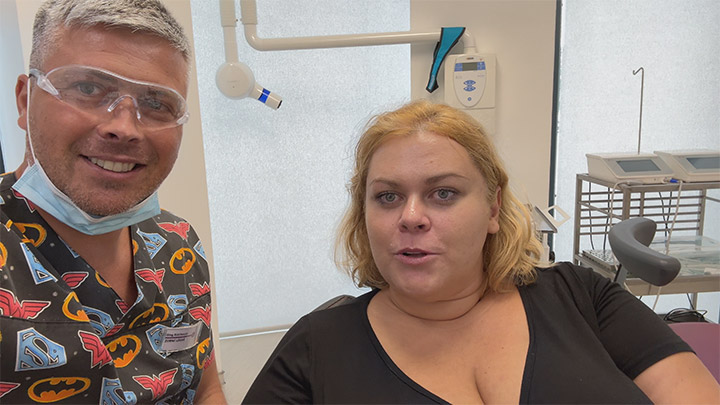
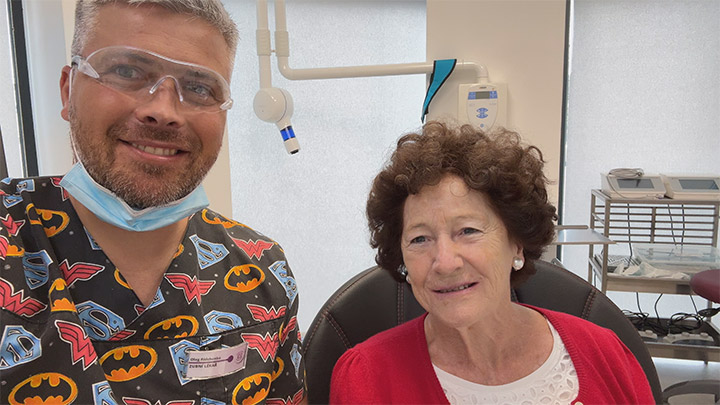
- “Fixed braces are only for children.” – That’s not true, we also treat adult patients, often with excellent results.
- “Braces always hurt.” – There may be only slight pressure after fitting, which quickly subsides.
- “I can’t play sports with braces.” – You can, but it is advisable to use a mouthguard.
Caring for Fixed Braces
Proper dental hygiene is essential during treatment. Cleaning teeth with braces requires special brushes, interdental brushes and sometimes an oral irrigator. If the teeth are not cleaned properly, there is a risk of damage to the enamel and tooth decay.
Tips for successful care:
- brush your teeth after every meal,
- avoid very hard and sticky foods,
- attend regular dental hygiene appointments.
Advantages and Disadvantages of Fixed Braces
Advantages:
Advantages:
Disadvantages:
Disadvantages:
Caring for Fixed Braces
Proper dental hygiene is essential during treatment. Cleaning teeth with braces requires special brushes, interdental brushes and sometimes an oral irrigator. If the teeth are not cleaned properly, there is a risk of damage to the enamel and tooth decay.
Tips for successful care:
- brush your teeth after every meal,
- avoid very hard and sticky foods,
- attend regular dental hygiene appointments.
Advantages and Disadvantages of Fixed Braces
Advantages:
Advantages:
Disadvantages:
Disadvantages:
Prices of Fixed Braces
| Procedure | Details | Price |
|---|---|---|
| Metal fixed braces | from 27900 Kč | |
| Spark invisible aligners | from 28990 Kč | |
| Fixed Braces Hyrax | from 17900 Kč | |
Indications and Contraindications for Fixed Braces Treatment
Fixed braces represent a traditional and highly effective method for correcting a wide range of orthodontic issues. Thanks to precise control over tooth movement, they are often the preferred choice for more complex cases. Below, you’ll find an overview of situations where fixed braces are appropriate, and when caution or postponement of treatment may be advisable.
Indications (When are fixed braces suitable?)
1. Severe and complex orthodontic malocclusions
Ideal for correcting significant crowding, large gaps, tooth rotations, severe overbites, underbites, open bites or crossbites.
2. All types of malocclusion
Fixed braces provide the orthodontist with maximum control over tooth movement in all directions (rotation, extrusion, intrusion, shifting).
3. Bringing retained/unerupted teeth into the arch
Fixed braces can effectively “pull” teeth that have not erupted on their own into the correct position.
4. Preparation before orthognathic surgery
In cases where jaw surgery is necessary, fixed braces prepare the teeth into an optimal position.
5. High predictability of results
Thanks to constant force and precise control, fixed braces offer very predictable and stable results.
6. Suitable for children, adolescents and adults
No age limit (after completion of jaw growth and assuming healthy periodontium).
7. Patients with limited manual dexterity
For those who would have difficulty regularly putting on and taking off removable braces/aligners.
8. Teeth with large gaps (diastemas and spaces)
Effective closure of even larger gaps between teeth.
9. Combined treatment
In some cases where aligners are insufficient, fixed braces can provide the necessary force and control.
10. Long-term stability
After removal of fixed braces, as with all types of orthodontic treatment, a retention phase is essential to maintain the result.
Contraindications (When should caution be exercised?)
1. Active, untreated periodontitis
Moving teeth in inflamed bone is contraindicated and can lead to further bone loss and tooth loss. Periodontal treatment is necessary first.
2. Extremely poor oral hygiene and untreated dental caries
Braces make it difficult to clean teeth and poor hygiene leads to a significant risk of tooth decay, gum inflammation and white spots on the teeth. Caries must be treated before treatment.
3. Uncontrolled severe systemic diseases
For example, uncontrolled diabetes, severe heart conditions, uncontrolled bleeding disorders, some immunodeficiency states – can affect healing and the bone’s response to tooth movement.
4. Severe allergy to brace components
For example, nickel (a common component of metal brackets) – however, ceramic or nickel-free alternatives can be chosen.
5. Insufficient patient cooperation
Although fixed braces are permanent, the success of treatment depends on maintaining hygiene, wearing elastics and other appliances.
6. Acute temporomandibular joint (TMJ) disease
Painful TMJ conditions should be addressed before starting orthodontic treatment.
7. Unrealistic patient expectations
If the patient expects results that are not medically or technically achievable.
8. Severe smoking
Smoking negatively affects gum health and the overall course of treatment, increasing the risk of complications.
9. Extreme dental phobia/anxiety
If the anxiety is so severe that it prevents regular check-ups and patient cooperation.
10. Pregnancy
During pregnancy, X-rays are generally limited and hormonal changes can affect gum sensitivity. Braces themselves are not an absolute contraindication.
Important note: This list is general and indicative. The decision on the suitability of fixed braces always depends on a careful individual assessment by your orthodontist based on comprehensive diagnostics. Many relative contraindications can be successfully managed or avoided with appropriate preparation and interdisciplinary cooperation. It is always crucial to inform the specialist of your complete medical history and current health status so that they can choose the safest and most effective treatment plan.
Indications and Contraindications for Fixed Braces Treatment
Fixed braces represent a traditional and highly effective method for correcting a wide range of orthodontic issues. Thanks to precise control over tooth movement, they are often the preferred choice for more complex cases. Below, you’ll find an overview of situations where fixed braces are appropriate, and when caution or postponement of treatment may be advisable.
Indications (When are fixed braces suitable?)
1. Severe and complex orthodontic malocclusions
Ideal for correcting significant crowding, large gaps, tooth rotations, severe overbites, underbites, open bites or crossbites.
2. All types of malocclusion
Fixed braces provide the orthodontist with maximum control over tooth movement in all directions (rotation, extrusion, intrusion, shifting).
3. Bringing retained/unerupted teeth into the arch
Fixed braces can effectively “pull” teeth that have not erupted on their own into the correct position.
4. Preparation before orthognathic surgery
In cases where jaw surgery is necessary, fixed braces prepare the teeth into an optimal position.
5. High predictability of results
Thanks to constant force and precise control, fixed braces offer very predictable and stable results.
6. Suitable for children, adolescents and adults
No age limit (after completion of jaw growth and assuming healthy periodontium).
7. Patients with limited manual dexterity
For those who would have difficulty regularly putting on and taking off removable braces/aligners.
8. Teeth with large gaps (diastemas and spaces)
Effective closure of even larger gaps between teeth.
9. Combined treatment
In some cases where aligners are insufficient, fixed braces can provide the necessary force and control.
10. Long-term stability
After removal of fixed braces, as with all types of orthodontic treatment, a retention phase is essential to maintain the result.
Contraindications (When should caution be exercised?)
1. Active, untreated periodontitis
Moving teeth in inflamed bone is contraindicated and can lead to further bone loss and tooth loss. Periodontal treatment is necessary first.
2. Extremely poor oral hygiene and untreated dental caries
Braces make it difficult to clean teeth and poor hygiene leads to a significant risk of tooth decay, gum inflammation and white spots on the teeth. Caries must be treated before treatment.
3. Uncontrolled severe systemic diseases
For example, uncontrolled diabetes, severe heart conditions, uncontrolled bleeding disorders, some immunodeficiency states – can affect healing and the bone’s response to tooth movement.
4. Severe allergy to brace components
For example, nickel (a common component of metal brackets) – however, ceramic or nickel-free alternatives can be chosen.
5. Insufficient patient cooperation
Although fixed braces are permanent, the success of treatment depends on maintaining hygiene, wearing elastics and other appliances.
6. Acute temporomandibular joint (TMJ) disease
Painful TMJ conditions should be addressed before starting orthodontic treatment.
7. Unrealistic patient expectations
If the patient expects results that are not medically or technically achievable.
8. Severe smoking
Smoking negatively affects gum health and the overall course of treatment, increasing the risk of complications.
9. Extreme dental phobia/anxiety
If the anxiety is so severe that it prevents regular check-ups and patient cooperation.
10. Pregnancy
During pregnancy, X-rays are generally limited and hormonal changes can affect gum sensitivity. Braces themselves are not an absolute contraindication.
Important note: This list is general and indicative. The decision on the suitability of fixed braces always depends on a careful individual assessment by your orthodontist based on comprehensive diagnostics. Many relative contraindications can be successfully managed or avoided with appropriate preparation and interdisciplinary cooperation. It is always crucial to inform the specialist of your complete medical history and current health status so that they can choose the safest and most effective treatment plan.
Fixed Braces FAQ
Fixed Braces FAQ
On this page of our dental practice, we have prepared answers to the most frequently asked questions from our patients. If you can’t find what you are looking for here, please don’t hesitate to contact us.
During the consultation, we will assess the condition of your teeth, explain the options and suggest suitable solutions.
Every 4-6 weeks during the active phase.
Yes, treatment is successful even in adult patients.
Unlike removable appliances, fixed braces apply continuous pressure to the teeth. This ensures that treatment is faster and more precise. Modern orthodontic procedures allow for the use of special elastics during treatment to correct even complex malocclusions.
Fixed braces help to solve:
- crooked teeth
- gaps between teeth
- crossbite, open bite or deep bite,
- jaw growth abnormalities.
Prices vary depending on the type and duration of treatment; approximate amounts are listed in our price list.
Yes, elastics are changed at each check-up and you can choose the color.
The length of treatment depends on the severity of the malocclusion and the patient’s age. In children, the duration of treatment is usually 1-2 years, while in adults it can take 2-3 years. However, thanks to modern orthodontics, the duration is often shortened.
Fixed Braces FAQ
Fixed Braces FAQ
On this page of our dental practice, we have prepared answers to the most frequently asked questions from our patients. If you can’t find what you are looking for here, please don’t hesitate to contact us.
During the consultation, we will assess the condition of your teeth, explain the options and suggest suitable solutions.
Every 4-6 weeks during the active phase.
Yes, treatment is successful even in adult patients.
Unlike removable appliances, fixed braces apply continuous pressure to the teeth. This ensures that treatment is faster and more precise. Modern orthodontic procedures allow for the use of special elastics during treatment to correct even complex malocclusions.
Fixed braces help to solve:
- crooked teeth
- gaps between teeth
- crossbite, open bite or deep bite,
- jaw growth abnormalities.
Prices vary depending on the type and duration of treatment; approximate amounts are listed in our price list.
Yes, elastics are changed at each check-up and you can choose the color.
The length of treatment depends on the severity of the malocclusion and the patient’s age. In children, the duration of treatment is usually 1-2 years, while in adults it can take 2-3 years. However, thanks to modern orthodontics, the duration is often shortened.
Hodnocení Smile Centrum
Doporučuje nás 92% našich pacientů, kteří zanechávají recenze na nezávislých portálech a sociálních sítích. Klinika je nemůže
ovlivnit, a proto jsou pro nás tak cenné.
★★★★★
★★★★★
★★★★★
★★★★★
★★★★★
★★★★★
★★★★★
★★★★★